
Cyber fraud is one of the most serious and pervasive threats of the digital age.
In fact, these crimes, ranging from the interception of sensitive data to the alteration of computer systems, have had a profound impact globally.
Governments, companies of all sizes, and individuals have been affected, testifying to the vast scope and destructive potential of such attacks. These incidents not only cause huge financial losses, but also undermine confidence in digital security, forcing continuous updating of defense strategies to protect data and critical infrastructure.
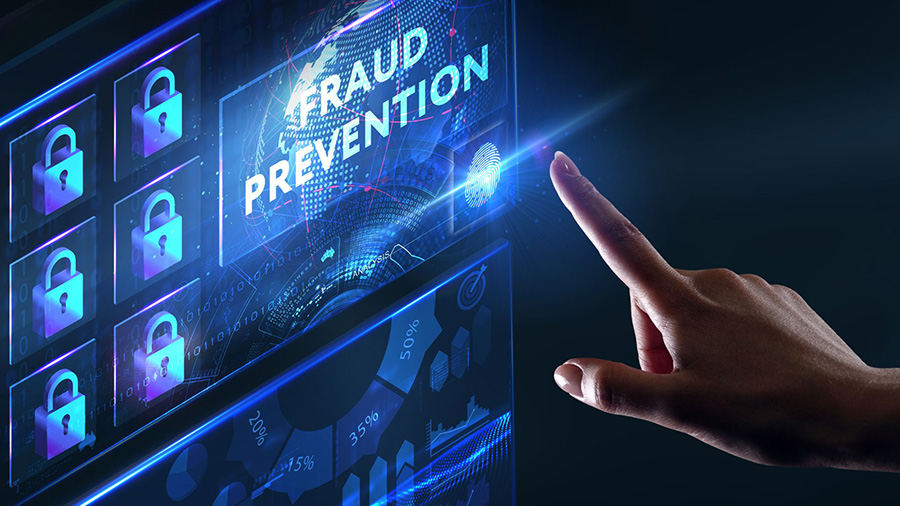
What is Computer Fraud?
A computer fraud is a crime in which the perpetrator uses the computer as the main tool to commit fraud. Fraud can range from intercepting financial transactions to usurping identities.
Increase in Computer Fraud
The latest data from the Italian Postal Police indicate a significant increase in computer fraud in recent years. From 2018 to 2022, cases of computer fraud almost doubled from 3,476 to 5,908 incidents.
In addition, the number of people investigated for computer fraud increased from 331 in 2018 to 725 in 2022.
In parallel, online fraudsters have become more adept at embezzling larger sums of money, rising from 5.5 million stolen in 2018 to 36.5 million in 2022.
These data highlight the urgent need to strengthen cybersecurity measures and further raise awareness of the risks of online fraud. (Source: www.tg24.sky.it)
The 10 Most Devastating Cases of Computer Fraud
Cyber fraud, ranging from data breaches to ransomware attacks, has left an indelible imprint on the world’s digital security.
Ten of the most notable and devastating cyber fraud attacks are analyzed below:
- Attack on Sony Pictures (2014): This attack, attributed to North Korea, involved the disclosure of internal data, emails, and unreleased films. It was a major blow to the company’s reputation and security.
- WannaCry Ransomware (2017): A ransomware attack that affected hospitals, businesses, and governments, causing large-scale outages and requiring Bitcoin payments to unlock systems.
- Bangladesh Bank Fraud (2016): Hackers exploited weaknesses in the SWIFT system to divert millions of dollars from Bangladesh to the Federal Reserve Bank of New York.
- Attack on Yahoo (2013-2014): Considered one of the largest data breaches, it exposed the names, emails, birthdates, and encrypted passwords of billions of users.
- NotPetya (2017): Originally targeted at Ukraine, this malware has spread globally, affecting multinational companies and causing extensive damage.
- Equifax Data Breach (2017): Important personal information, including Social Security numbers, was stolen in this breach, putting the identities of millions of people at risk.
- Target Data Breach (2013): This attack hit Target’s payment systems during the holiday season, compromising the credit card information of millions of customers.
- Attack on Marriott International (2018): Hackers gained access to Marriott’s reservation database, stealing guests’ personal information.
- SolarWinds Cyberattack (2020): A complex cyberattack that allowed hackers to spy on government agencies and companies by exploiting a vulnerability in SolarWinds network management software.
- Attack on JPMorgan Chase (2014): Theft of personal data and contact information of millions of customers, one of the largest attacks on a financial institution.
Conclusions
These cases of cyber fraud demonstrate the increasing sophistication and danger of digital attacks.
They stress the importance of robust cybersecurity and constant awareness of digital threats.
As technology continues to evolve, so must our defense strategies to protect ourselves from these increasingly complex threats.
Lecs dispostitives make use of sophisticated military technology, applicable to any type of network and need, while maintaining affordability for any budget.
Chank for advice and secure your business: don’t wait to become a statistic.